
Healthcare Competency Management: Why Course Completion Is Not Clinical Readiness

That completion box can be misleading! Finishing an online course shows that someone completed a learning activity, but it does not automatically show that they can perform a clinical task safely.
That difference matters to healthcare training managers, clinical educators, and quality and compliance leads responsible for keeping staff current and patients safe.
Healthcare competency management helps organizations connect training records to demonstrated skills, assessment evidence, and role requirements.
Why Hospital Competency Is Harder Than Course Tracking
Hospitals need to know more than whether a person clicked through a module or passed a knowledge check.
They need to understand what the person is expected to do, whether they have demonstrated the required skills, and whether their qualifications remain current.
Those questions become more complex across clinical and support roles, different departments and locations, changing protocols, and varying equipment or patient needs.
A completion record answers, “Was the training completed?” Competency evidence helps answer, “Was the required ability assessed, and what did the result show?”
Healthcare organizations also need clear records for compliance management and accreditation surveys, including traceable training and assessment evidence. Joint Commission guidance addresses competency assessment, while CMS guidance includes examples where documented competency matters.
Course records can be part of that evidence, but they do not replace a suitable assessment of the work itself.
Three Different Jobs Healthcare Training Systems Need to Do
Onboarding, mandatory training, and competency validation often sit side by side in a hospital, but they serve different purposes.
1. Standardize Onboarding
Onboarding helps new employees understand the organization, their role, relevant protocols, and the work environment.
A consistent onboarding process makes expectations clearer across departments and locations, including for clinical and support staff.
Role-based requirements help teams assign relevant learning without treating every employee as if they have the same responsibilities.
2. Manage Mandatory Compliance Training
Mandatory training helps hospitals assign required learning, track completion, and maintain records for policies, procedures, and other compliance needs.
A learning management system can help teams see what is assigned, complete, overdue, or approaching an expiration date.
SCORM-based courses can support the documentation of learning activity, while connected audit trails help teams locate records when they need to demonstrate what training was assigned and completed.
However, a course record alone does not confirm that a person can perform a task in practice.
3. Validate Competency
Competency validation focuses on whether someone has demonstrated the required knowledge or skill against defined expectations.
Depending on the role and task, that evidence may come from an assessment, an on-the-job check-off, or another appropriate verification method.
The process should capture what was assessed, who verified it, when the assessment took place, and whether the required standard was met.
This distinction is central to healthcare competency management: learning delivery, compliance tracking, and skill verification should connect, but they should not be confused.
What a Competency Management Approach Looks Like in a Hospital
A practical approach connects role requirements to learning, assessment, and follow-up.
Start With Role-Based Competency Frameworks
Define what employees need to know or demonstrate for their roles, departments, and locations.
A role-based framework gives educators and managers a clearer way to assign relevant requirements and identify where evidence is missing.
It also helps keep expectations consistent while recognizing that different jobs call for different skills.
Capture Assessments and Evidence
A competency record should show more than a final status.
It should help teams trace the requirement, assessment, result, and supporting evidence, including verified on-the-job check-offs where applicable.
That context makes it easier to understand what an employee has demonstrated and what still needs attention.
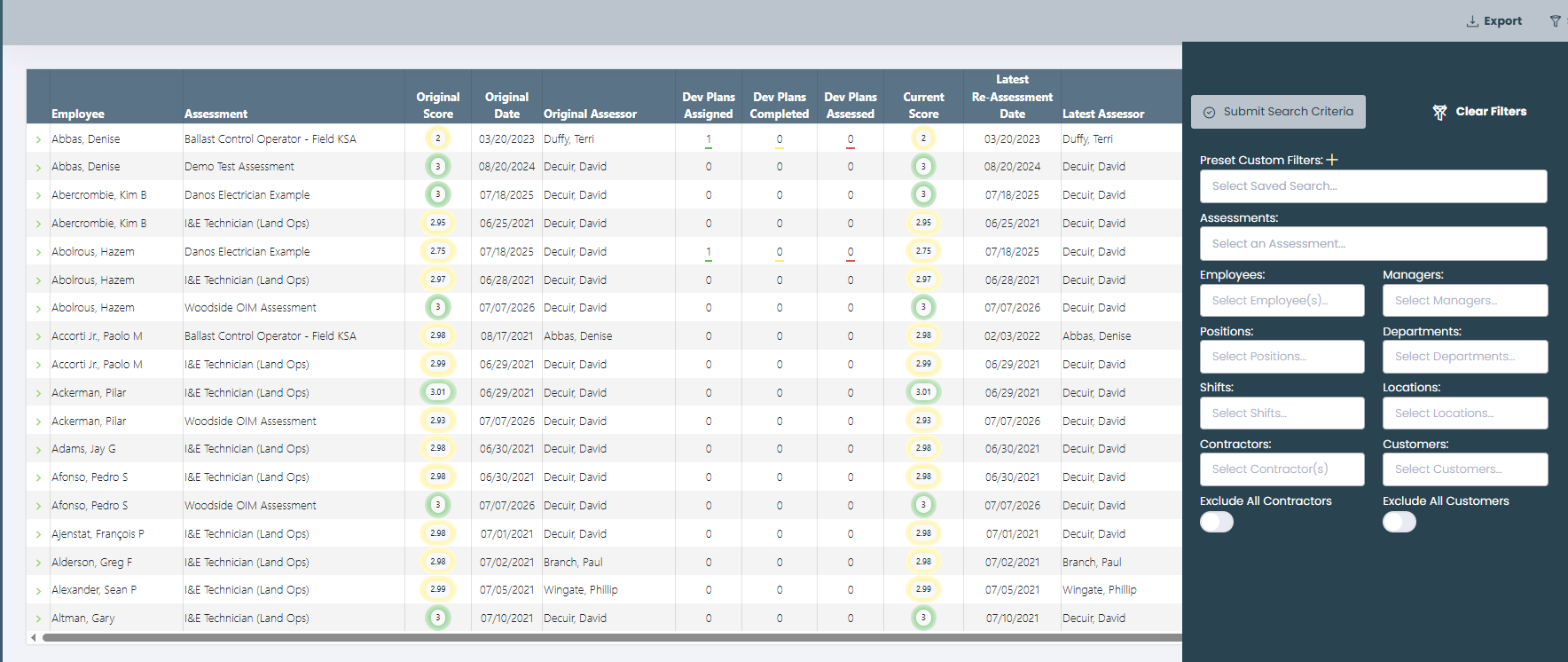
Track Expirations and Development
Competency and qualification requirements may need renewal or reassessment.
Tracking certification status and expiration dates helps teams spot approaching deadlines and overdue requirements before records become difficult to manage.
When assessments identify a gap, development plans can help guide the next steps and keep progress visible.
Maintain Audit-Ready Records
For accreditation surveys and internal reviews, teams need to retrieve records without reconstructing the story from separate spreadsheets, course systems, and paper checklists.
A connected record can link requirements to training, assessments, results, and next actions.
That supports clearer audit preparation and gives leaders a more complete view of workforce readiness.
What to Look for in Healthcare Competency Management Software
Healthcare competency management software should do more than store course completion records.
When evaluating a system, consider whether it can support these needs:
- Role-based requirements: Organize competency expectations around the roles, departments, and locations that need them.
- Verifiable assessments: Record assessment results and supporting evidence, including on-the-job check-offs where relevant.
- Expiration tracking: Monitor certifications and other time-sensitive requirements.
- Connected compliance records: Bring assignments, training records, assessment results, and audit trails together.
- Actionable development plans: Help teams connect identified gaps to follow-up learning or reassessment.
- Workforce visibility: Show competency status across teams and locations, so leaders can see where attention is needed.
A useful system should make it easier to distinguish between a course that is complete, a competency that has been assessed, and a requirement that remains current.
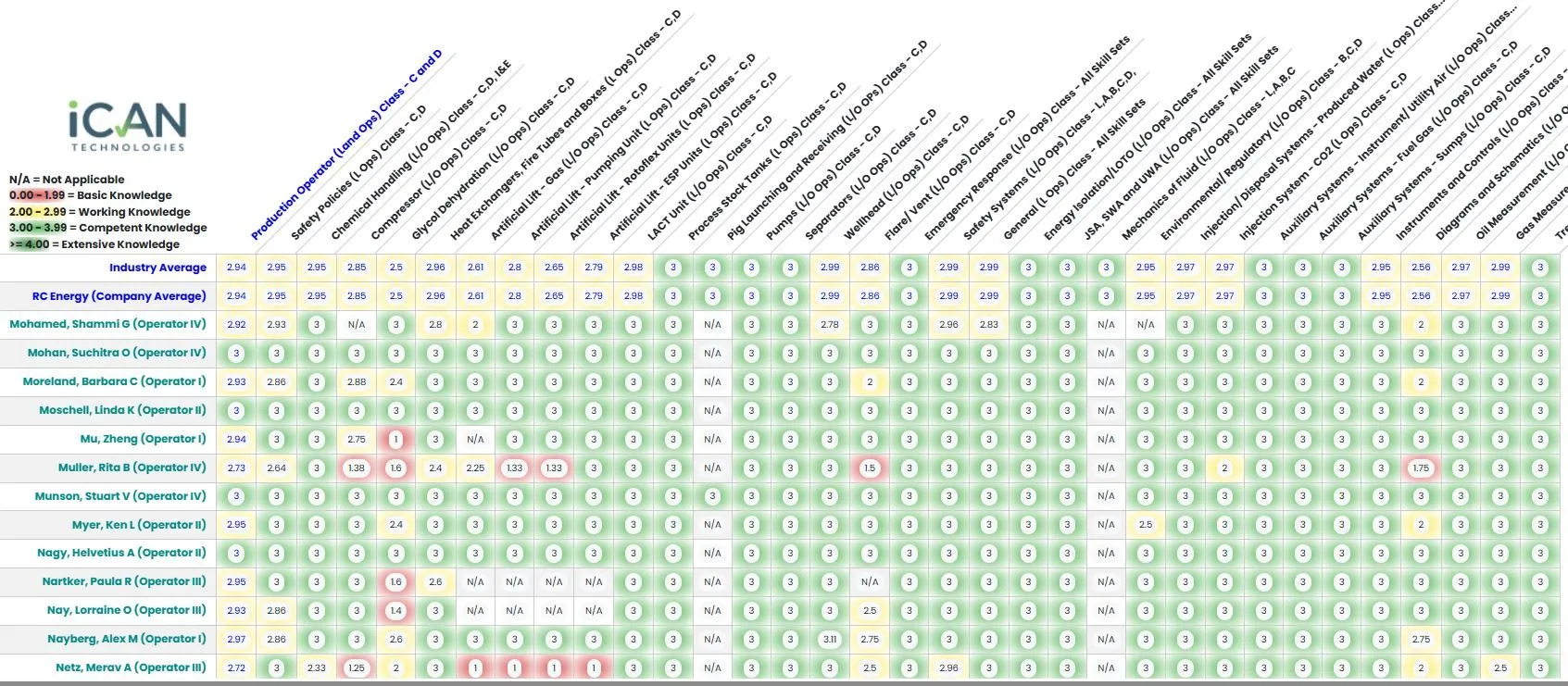
iCAN’s Competency Management System supports real-time competency tracking, verifiable assessments, development plans, certification and expiration tracking, and heat maps by department, location, or role.
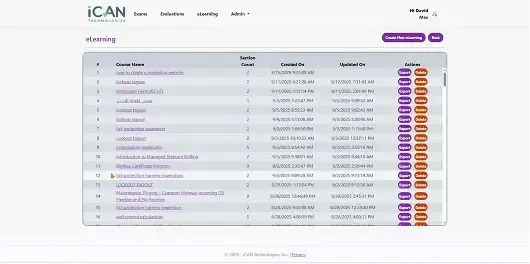
Its Learning Management System supports training assignment, completion tracking, certification monitoring, and audit trails in a connected learning record.
Hospitals can also turn their own clinical protocols, policies, and device instructions into eLearning and competency-verified modules with AI authoring, while retaining 100% ownership of the content.
That can help keep training connected to the organization’s own procedures instead of relying only on generic course materials.
Move From Completion Records to Readiness Evidence
Course completion is important, but it is only one part of workforce readiness.
Healthcare competency management connects what a person was required to learn with what they have demonstrated, what remains current, and what action may be needed next.
When those records work together, hospital teams can better standardize onboarding, manage mandatory training, validate competencies, and prepare for audits.
See how iCAN can connect learning records and competency evidence across your hospital or medical network.
FAQ
What is healthcare competency management?
Healthcare competency management is the process of defining role-based skills, assessing whether employees have demonstrated them, tracking current requirements, and recording evidence and follow-up actions.
Is course completion proof of clinical competency?
No. Course completion records that someone completed a learning activity, but it does not by itself show that the person can perform a clinical task to the required standard.
What is the difference between training compliance and competency validation?
Training compliance tracks whether required learning was assigned and completed. Competency validation records whether an employee demonstrated the required knowledge or skill through an appropriate assessment.
What evidence should a competency record include?
A competency record should identify the requirement, the assessment and result, the date, the person who verified it, and any supporting evidence or follow-up action.
How does competency management software support hospital audits?
Competency management software can connect requirements, training records, assessments, results, qualifications, and expiration status, helping teams retrieve a clearer audit trail.
Can hospitals use their own policies and clinical protocols in training?
Yes. Hospitals can convert their own protocols, policies, and device instructions into learning and competency-verified modules, while retaining ownership of the content.