
Training Compliance Management: Turning Audit Season From a Scramble Into a Status Check

Compliance is not a training event; it is a permanent state an organization must be able to demonstrate on demand.
Yet many organizations discover their training gaps only when an auditor asks for records.
Effective training compliance management changes that pattern: teams can see what is required, who is current, what evidence supports each record, and where action is needed. Before audit season begins.
What Training Compliance Management Actually Covers
Training compliance management is the process of identifying required training, assigning it to the right people, documenting completion, and keeping the supporting evidence current and accessible.
A workable program connects several steps:
- Requirements mapping: Identify the applicable rules, internal policies, hazards, job roles, and tasks that trigger training.
- Assignment: Match each requirement to the employees, contractors, locations, or roles it applies to.
- Completion evidence: Record what was completed, when, how, and with what result.
- Certification currency: Track qualifications and credentials that must remain valid.
- Expiration management: Set renewal intervals and identify requirements approaching their due dates.
- Contractor coverage: Include contractors and, where applicable, subcontractors in the same visibility and review processes.
- Audit trails: Preserve a traceable history of assignments, completions, assessments, updates, and corrective actions.
The details depend on the applicable regulation, standard, and company policy. A recordkeeping system should make those requirements visible rather than assume that every course follows the same rule.
Five Failure Modes of Manual Compliance Tracking
Spreadsheets can help a small team get started, but they often become unreliable as requirements, sites, and workforces grow.
- Spreadsheet version chaos: Different teams may maintain separate files, with inconsistent fields and conflicting updates.
- No expiration visibility: A completion date does not automatically tell a manager whether a certification is still current or when it needs renewal.
- Contractor blind spots: Contractor records may sit outside employee systems, leaving leaders without a complete view of who is cleared for work.
- No evidence beyond a signature: A sign-in sheet may show attendance, but it may not prove which material was covered, whether an assessment occurred, or whether a learner demonstrated the required knowledge.
- Reactive audit preparation: Staff lose time reconciling files and chasing evidence when an auditor requests it, instead of reviewing status throughout the year.
Better compliance training tracking replaces scattered records with clear requirements, consistent evidence, and visible exceptions.
What Audit-Ready Training Records Look Like
An audit-ready record should let a reviewer understand the requirement and the evidence without reconstructing the story from multiple files.
For each person and requirement, aim to maintain one defensible record that identifies:
- The person and applicable role, task, or requirement.
- The course, qualification, or training version involved.
- The assignment and completion dates.
- The delivery method and, when relevant, the instructor or provider.
- Supporting evidence, such as an assessment result, certification, or practical verification.
- The current status, including due date or expiration where applicable.
- A history of relevant changes and corrections.
A training compliance system should also make records easy to search and export, maintain change history, and alert responsible staff before a requirement expires. “Complete” should describe a verifiable status, not just a checked box.
OSHA’s electronic-recordkeeping guidance recognizes that electronic safety-training records can be acceptable when safeguards reliably establish who was trained and capture required information. However, record details and retention periods vary by requirement. OSHA’s five-year rule for certain injury-and-illness records is not a universal retention period for training records. Check the applicable standard and your organization’s retention policy; OSHA’s training requirements guide and record-retention rule are useful starting points.
Compliance Layers Many Programs Miss
Completion matters, but it does not answer every question about readiness.
1. Competency, not just attendance. Some work requires evidence that a person can apply what they learned. Assessments or practical evaluations can help verify knowledge and skill.
2. Contractor and subcontractor training. Define how external workers’ requirements, records, and status are checked before and during work.
3. Re-verification intervals. A one-time qualification may not be enough. Set review or reassessment intervals when rules, hazards, equipment, or job duties change.
4. Evidence of knowledge retention. Where appropriate, include assessment outcomes or other verification, not only an attendance record.
5. Drill and emergency-response documentation. Keep applicable drill participation, results, and follow-up actions connected to the readiness record.
The point is not to add paperwork for its own sake. It is to maintain evidence that matches the work and the applicable requirement.
How Unified Compliance Management Works in Practice
A unified approach connects content creation, assignment, tracking, verification, and reporting in one system of record.
The process begins by mapping requirements to roles and tasks. Teams then assign the relevant training, track completion and certifications, and capture assessments or competency evidence where required. Managers can review current status, upcoming expirations, and gaps without relying on separate spreadsheets for each step.
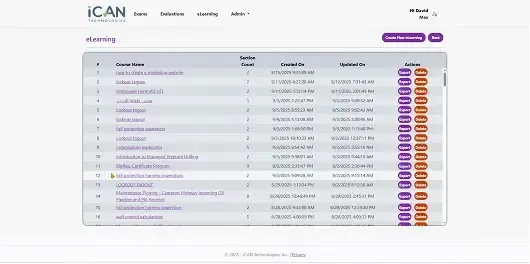
iCAN’s Data-Driven LMS supports training assignment, completion tracking, certification and expiration monitoring, audit trails, and blended learning. Contractor visibility helps teams include external workers in workforce oversight.
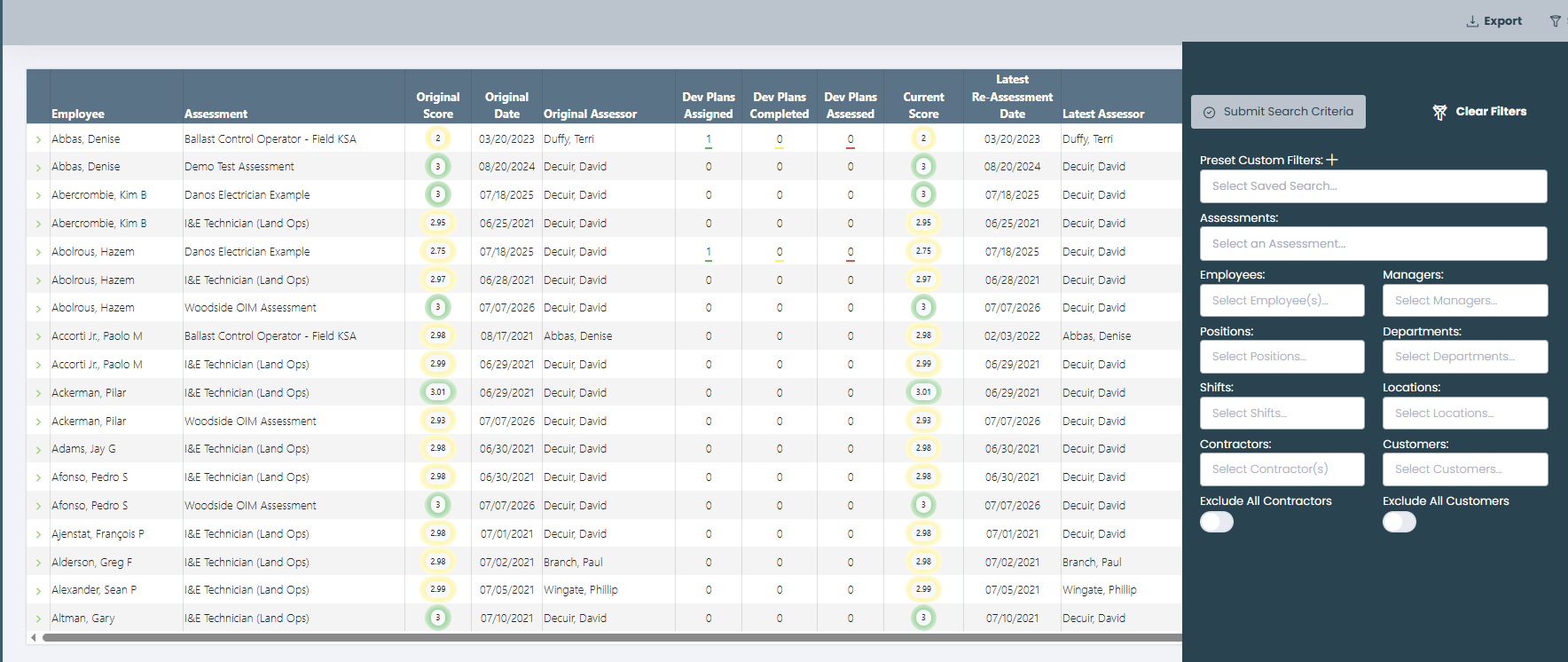
The wider ecosystem connects learning records with competency evidence. The Competency Management System supports assessment and development visibility, while AI Authoring Tools can turn existing policies and procedures into learning and assessment content. Organizations retain ownership of content created from their materials.

That connection can help teams relate training to role and task authority: what a person needs to learn, what they have completed, what they have demonstrated, and what still needs attention.
Building the Business Case
A stronger training compliance process can reduce the time spent preparing audit packets because records are organized and searchable throughout the year.
It can also help teams identify gaps earlier, before an expired qualification or missing record becomes a finding or delays work. Clear ownership and automated status alerts reduce the administrative effort involved in following up on routine requirements.
For organizations serving regulators and customers, consistent, traceable records support a more defensible compliance posture. They do not guarantee an audit outcome, but they make it easier to explain what the organization required, how it verified completion, and how it addressed gaps.
Implementation Checklist: Moving Off Spreadsheets
Use these steps to create a practical transition plan:
- Inventory requirements: List each applicable regulation, policy, qualification, and task-based requirement.
- Confirm ownership: Assign a person responsible for maintaining each requirement and its evidence.
- Map requirements to people and roles: Include employees, contractors, locations, and relevant task assignments.
- Define evidence and retention: Specify the proof required for each item and confirm the retention period against applicable rules and policies.
- Clean existing records: Resolve duplicate profiles, incomplete fields, outdated courses, and inconsistent status labels.
- Set renewal rules and alerts: Establish due dates and review intervals, then alert the right managers before requirements expire.
- Connect learning to verification: Where appropriate, add assessments, practical evaluations, or competency records alongside completion data.
- Test retrieval: Ask a team to produce a sample record and status report quickly; use gaps in the response to improve the process.
- Review routinely: Reconcile requirements against changes in roles, operations, hazards, regulations, and contractor populations.
Frequently Asked Questions
What is training compliance management?
It is the process of mapping required training to people and roles, tracking completion and certifications, maintaining supporting evidence, and monitoring upcoming or overdue requirements.
How do you track training compliance across contractors?
Include contractors in the same requirements and status review as employees where applicable. Assign training based on their work, track evidence and expiration dates, and define who verifies current status before work begins.
How long should training records be retained?
There is no single retention period for every training record. Requirements vary by regulation, record type, and company policy, so confirm the applicable rule and document the organization’s retention schedule.
What makes a training record audit-ready?
A record should clearly identify the person, requirement, relevant course or qualification, dates, status, and supporting evidence. It should be searchable, traceable, and retrievable without rebuilding the record from disconnected files.
Can compliance tracking be automated?
Yes. Training compliance software can automate assignments, reminders, expiration alerts, status reporting, and record organization. Teams still need to define the correct requirements and review exceptions.
Make Audit Readiness a Routine Status Check
Audit-ready training records are built through consistent requirements mapping, reliable evidence, and regular status reviews, not a last-minute file search.
A connected system can help HSE, compliance, and training teams see where requirements stand and act before gaps grow. To see how iCAN supports unified compliance management and workforce competency visibility, book a demo.